

Spanish culture: core concepts

Spain is a southwestern European country located between France and Portugal, bordering the North Atlantic Ocean and the Mediterranean Sea. It occupies roughly 85% of the Iberian Peninsula.
Each region of Spain has a unique cultural identity that residents are very proud of. Many things considered distinctively ‘Spanish’ actually have local or regional origins. For example, the flamenco style of music and dance originated in Andalucía, southern Spain.
Despite the diversity of Spanish culture, the country also has a strong and unifying national identity. The culture is known for its strong social dimension, with numerous fiestas (celebrations) punctuating the year. Spaniards are renowned for their pride in Spain and their strong sense of personal honor. Their open and lively communication style often gives foreigners the impression that they are confident and enthusiastic people.
Regionalism
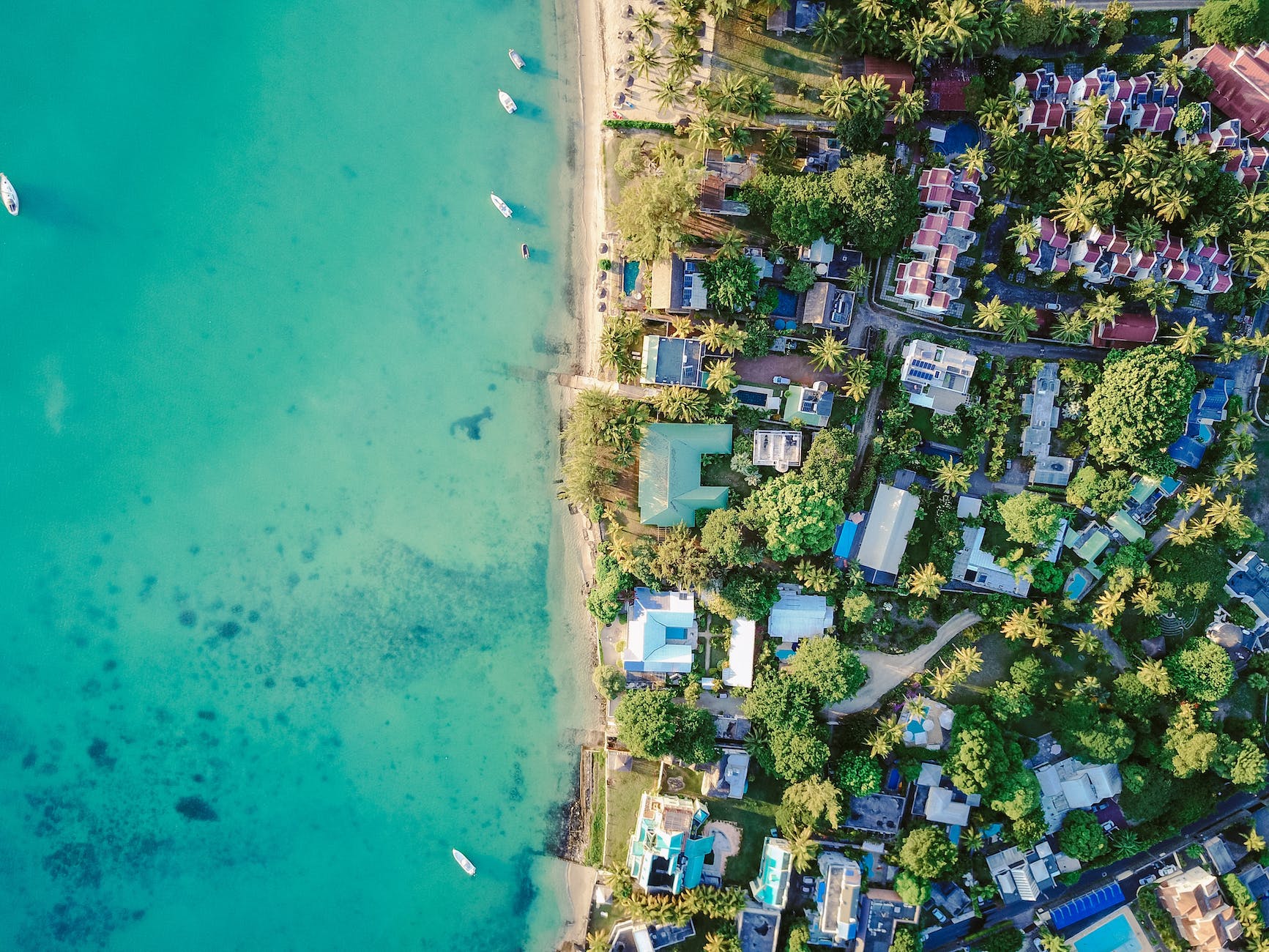
Spain is most densely populated along the Mediterranean and Atlantic coasts, as well as in major inland cities like Madrid, Sevilla, and Zaragoza. Over the past century, there has been a consistent pattern of migration from rural areas to industrial cities. Today, only 20% of the population lives in rural areas. Some Spaniards identify a cultural difference between rural and urban dwellers, with the former being more religious and socially conservative. People living in smaller towns and villages also tend to enjoy a slower pace of life. Meanwhile, the major cities are densely populated and quite vibrant.

Cultural differences are also very noticeable between the regions of Spain. The country contains a number of different historical provinces and localities, each with its own distinct identity, cultural practices, and traditions.
Some regions even have their own language, cuisine, and literature that have developed over time. To appreciate these provincial identities, Spain is divided into 17 different regions known as “comunidades autónomas” (autonomous communities). Each follows the constitutional law of Spain but has a degree of self-governance to enact regionally specific laws.

One may hear people speak of “Las Españas” (the Spains) in reference to this system. The powers of the autonomous communities vary considerably. For example, the Basque Country, Catalonia, and Galicia are recognized as having a “historic nationality” that grants them special status and extensive powers. Additionally, due to its proximity to Morocco, Spain has experienced a historical Moorish influence, which becomes more visible the further south one travels, with Islamic architecture still visible in many places.
National Identity and Language

The topic of national identity is a sensitive subject in Spain due to large points of difference within the country. An index measuring Europeans’ attachment to their region, local area, and country found that Spain had the most internal variation in Europe.
The country is home to some of the most nationalistic regions, such as Madrid, where national loyalty and pride are very strong. However, Spain also has some of the most regionalist provinces in Europe, like the Basque Country and Catalonia. In these places, loyalty and affiliation to one’s local identity is often more important than the national identity.

Language is deeply linked to identity in Spain as it is one of the most obvious indicators of which region people live in. Many Spaniards speak a local dialect at home or in daily life and business. These are generally people living in regions with strong provincial identities, such as Catalonia, the Basque Country, Galicia, Valencia, and the Balearic Islands.
It is estimated that between 11% and 28% of the population speaks a local language as their first language. While the exact figure is still undetermined, the number of Spaniards speaking local languages is at least in the millions. Nonetheless, the majority of Spaniards speak Spanish (Castilian), and almost all citizens who have attended school are fluent in it. Spanish is the official language of Spain and is used for official communications, in the media, and in education.
Recent History and Economic Crisis
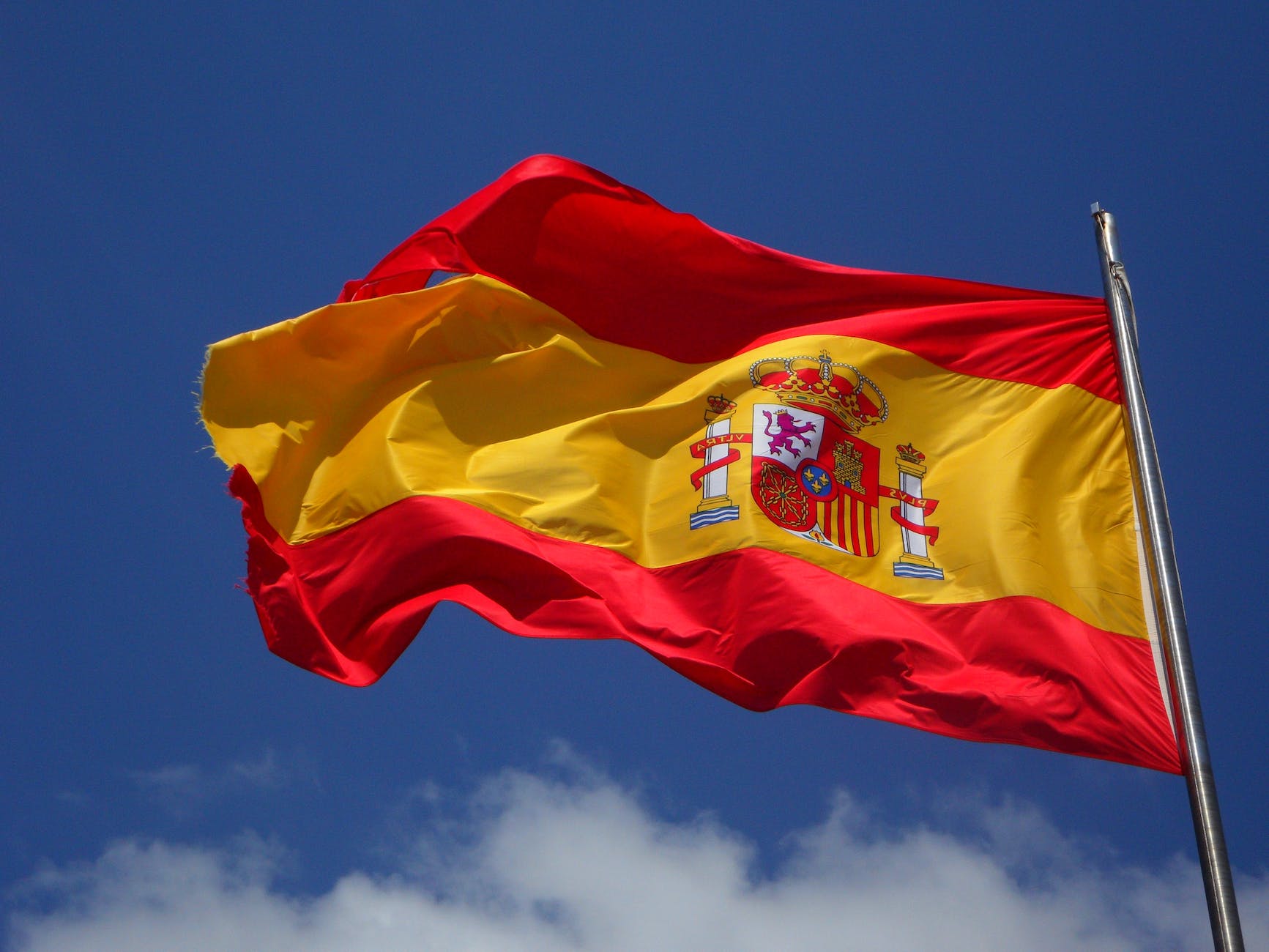
Spain went through a significant period of political turmoil and instability during the 20th century. The era of fascist dictatorship under General Francisco Franco, known as Francoist Spain, lasted from 1939 to 1975. Cultural diversity was suppressed during this period, and regional customs and local languages were censored. The subsequent transition to democracy was a delicate process, and it still shapes Spain’s politics and society today.
In recent years, Spain faced economic challenges due to the global financial crisis that began in 2008. The crisis had a significant impact on Spain’s economy, leading to a desire for stability and security in people’s lives. Many sought civil service positions, which became highly sought after due to their perceived stability and benefits.

The economic crisis also disproportionately affected the younger generation, with high youth unemployment rates. The term “ninis” emerged to describe those who had given up on their job search and were neither studying nor working. This situation led to significant social and economic changes, as well as political debates on how to address the issue.
Social Life and Customs

Spanish culture places great importance on socialising and spending time with friends and family. The Spanish are known for their love of long conversations, often extending into the late hours of the night. Public spaces like plazas, cafes, and bars play a significant role in social life, providing opportunities for people to meet, interact, and build closer friendships.
Spaniards are generally informal and quickly move to a first-name basis in relationships. They are candid and outwardly emotional, often expressing their opinions openly. Interrupting and talking over one another is common in conversations, reflecting the passionate nature of the people.

Spain also has a distinct organisation of the day. Spaniards have long working hours and often take a siesta break in the afternoon to rest and recharge. Late-night culture is prevalent, with dinner and bedtime occurring later than in other European countries. These core concepts provide an overview of Spanish culture, offering insight into the rich tapestry of traditions, languages, and customs that make Spain a unique and captivating destination.
Conclusion

Spain’s cultural diversity, regional identities, and historical influences make it a fascinating country to explore. The Spanish have a strong sense of national pride and personal honor, while also valuing their local customs and traditions. The country’s recent history and economic challenges have shaped its society and continue to influence political debates. Socializing and community interaction are highly valued, contributing to Spain’s vibrant and lively culture.







Discover more from interpreter today
Subscribe to get the latest posts sent to your email.
 interpreter today