


Subject Verb Object (SVO)
Oh, the delightful dance of words in the flamboyant world of languages! Imagine we’re navigating the intricate tango of Spanish, where the usual rigid structure of English sentences—our comfortable subject-verb-object—is tossed into the air like a colourful scarf, caught by a playful breeze.
Feel the rhythm: let’s embark on this linguistic adventure, shall we?
The Whimsical World of Word Order in Spanish

In the grand ballroom of languages, Spanish is that vivacious dancer who refuses to follow a single rhythm. Unlike English, which prefers to march to the beat of subject-verb-object, Spanish twirls freely, allowing the subject, verb, and object to take turns leading the dance.
The Classic Trio Takes the Floor
Now, don’t get your knickers in a twist; the classic subject-verb-object order isn’t exactly out of fashion. It’s still there, swirling gracefully around the dancefloor. But here’s where it gets spicy: Spanish sentences often invite the object pronouns for a quick spin before the verb, or even attach them like an elegant accessory when the verb decides to go infinitive or command.
A Dance of Emphasis
English might change its dance pattern for a question or to sprinkle a bit of poetic flair, but Spanish, oh, it revels in variety for even the plainest statements. Fancy starting with the verb? Absolutely. Or perhaps let the object cut in first? Why not! Consider these renditions of (Diana penned this masterpiece):
- Diana escribió esta novela. (Diana takes the lead, swirling in the spotlight.)
- Escribió Diana esta novela. (The verb steps forward, with a dramatic flourish.)
- Esta novela la escribió Diana. (The object, adorned with an object pronoun for clarity, takes centre stage.)
Each twist and turn offers a subtle nuance, a whisper of emphasis that might be lost in translation but is felt in the heart of the dance.
The Questioning Quirk

When the music shifts to the questioning tone, Spanish prefers the verb to lead, with the subject following like a tentative dance partner. It’s a move seldom mirrored in writing by the more informal statement-like question of English.
The Vanishing Subject

In the mesmerising dance of Spanish, sometimes the subject decides to take a breather, vanishing from the sentence when the context has already set the stage, leaving the verb to dance solo.
The Relative Clause Rumba
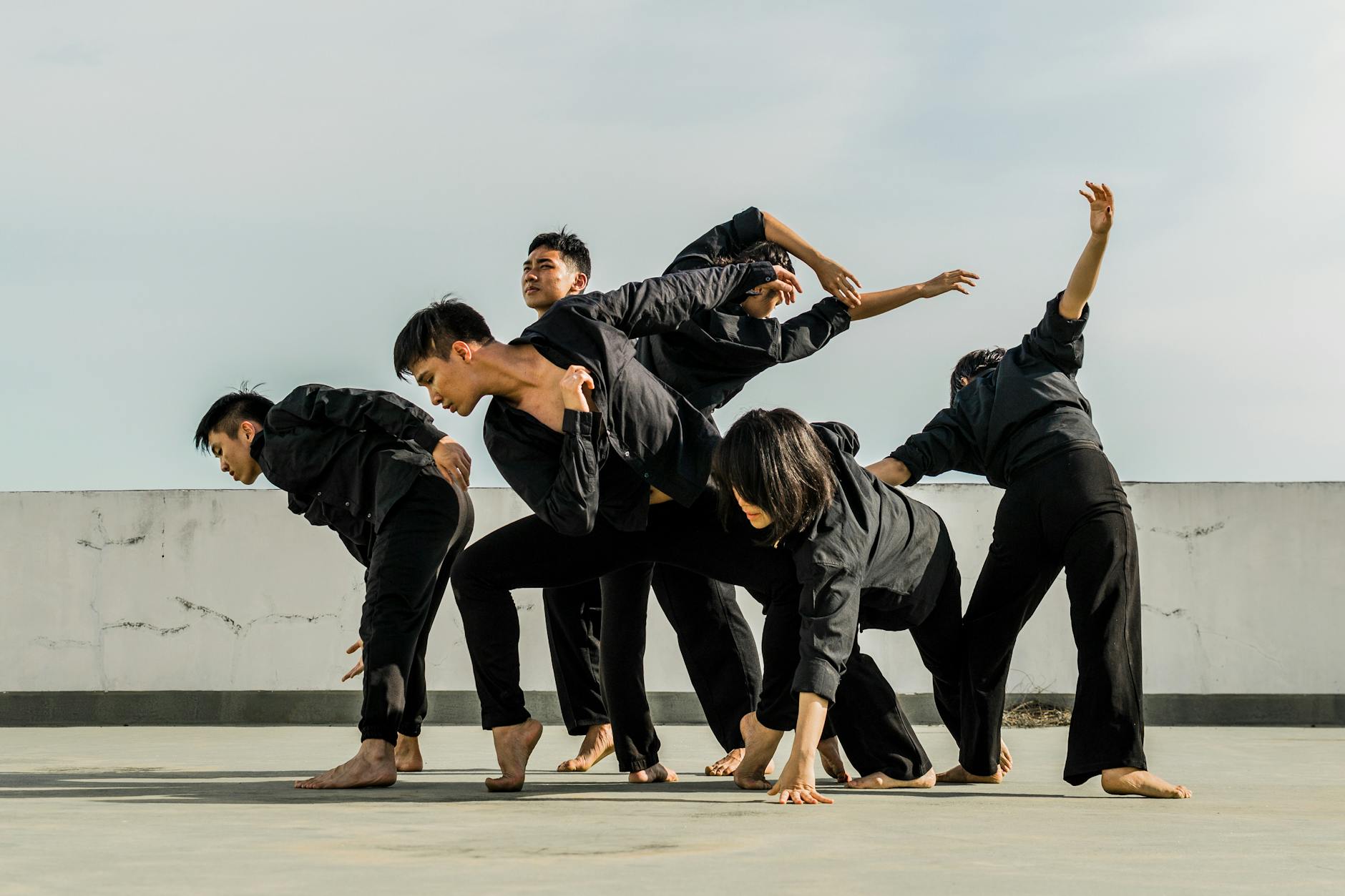
And then there’s the rumba of sentences with a relative clause, where Spanish keeps the subject and verb in a close embrace, avoiding the awkward shuffling that often happens in English when too many words cut in between.
The Final Flourish
So, my dear linguistic adventurers, as we take a bow in this grand exploration of Spanish’s flexible word order, remember: it’s not just about following the steps, but feeling the rhythm and letting the words dance to the beat of emphasis and expression. Now, off you go, twirl those sentences with the flair of a seasoned dancer!
Discover more from interpreter today
Subscribe to get the latest posts sent to your email.
 interpreter today
One thought on “Tema Verbo Objecto”