
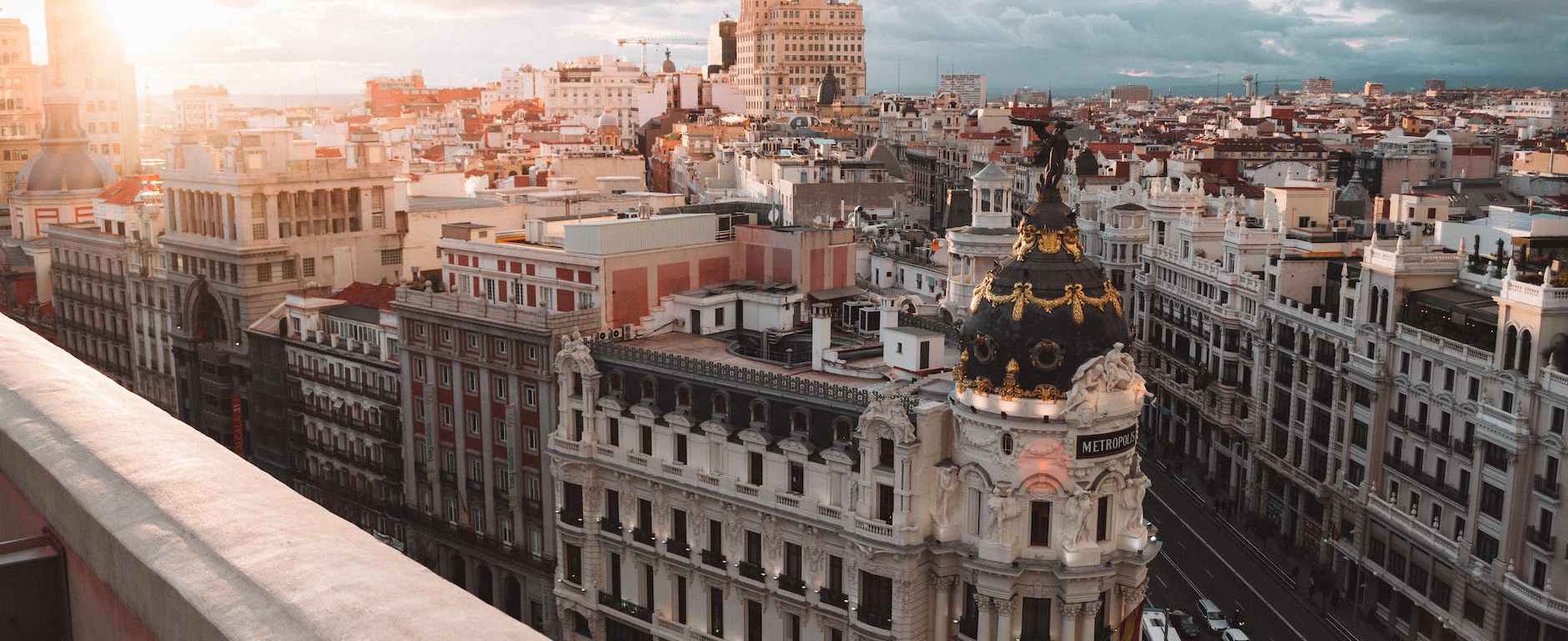
Spain has been one of the cultural centres of Europe for thousands of years. So, you might be forgiven for thinking Spain is only famous for Flamenco music and dance, bullfights, fantastic beaches, and lots of sunshine. Welcome to an interesting journey through the captivating tapestry of Spain’s architecture, arts, culture, traditions, and way of life.
In this post, we’ll delve into the rich and vibrant essence that defines this remarkable country, uncovering the intricacies of its architectural marvels, artistic expressions, and the unique blend of culture and traditions that shape its captivating way of life.
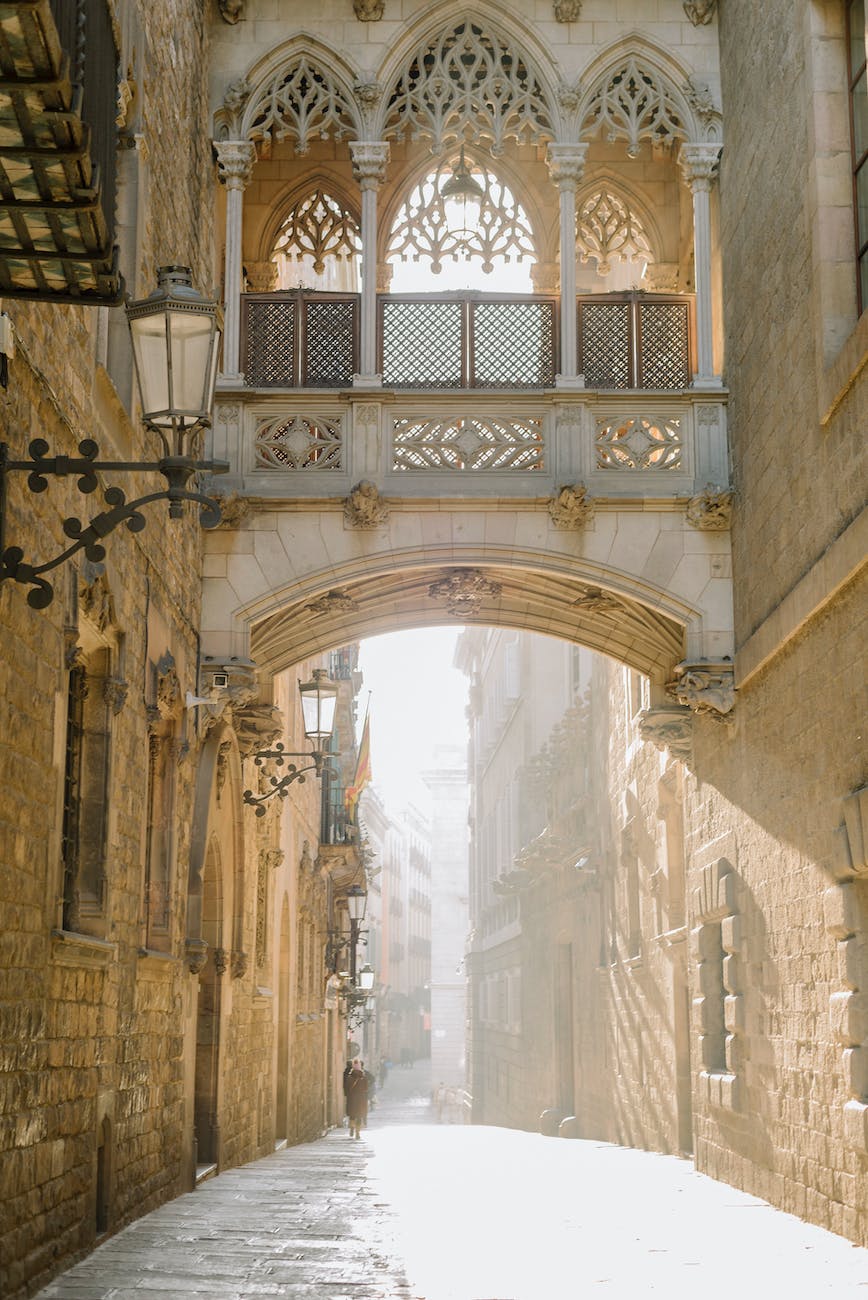
Spain’s architecture ranges from prehistoric monuments in Menorca in the Balearic Islands, to the Roman ruins of Merida and Tarragona, the decorative Lonja in Seville, Mudéjar buildings, Gothic cathedrals, castles, fantastic modernist monuments, and Gaudí’s intricate sculptures in Barcelona. They are all representative of the culture of Spain.
Spain has an extraordinary artistic heritage. The dominant figures of the Golden Age were the Toledo-based artists El Greco and Diego Velázquez. Francisco de Goya emerged in the 18th century as Spain’s most prolific painter and he produced some wonderfully unflattering portraits of royalty. The art world in the early 20th century was influenced by a remarkable group of Spanish artists: Pablo Picasso, Juan Gris, Joan Miró and Salvador Dalí, ambassadors of the artistic culture in Spain.
What do you know about Spanish customs and traditions?
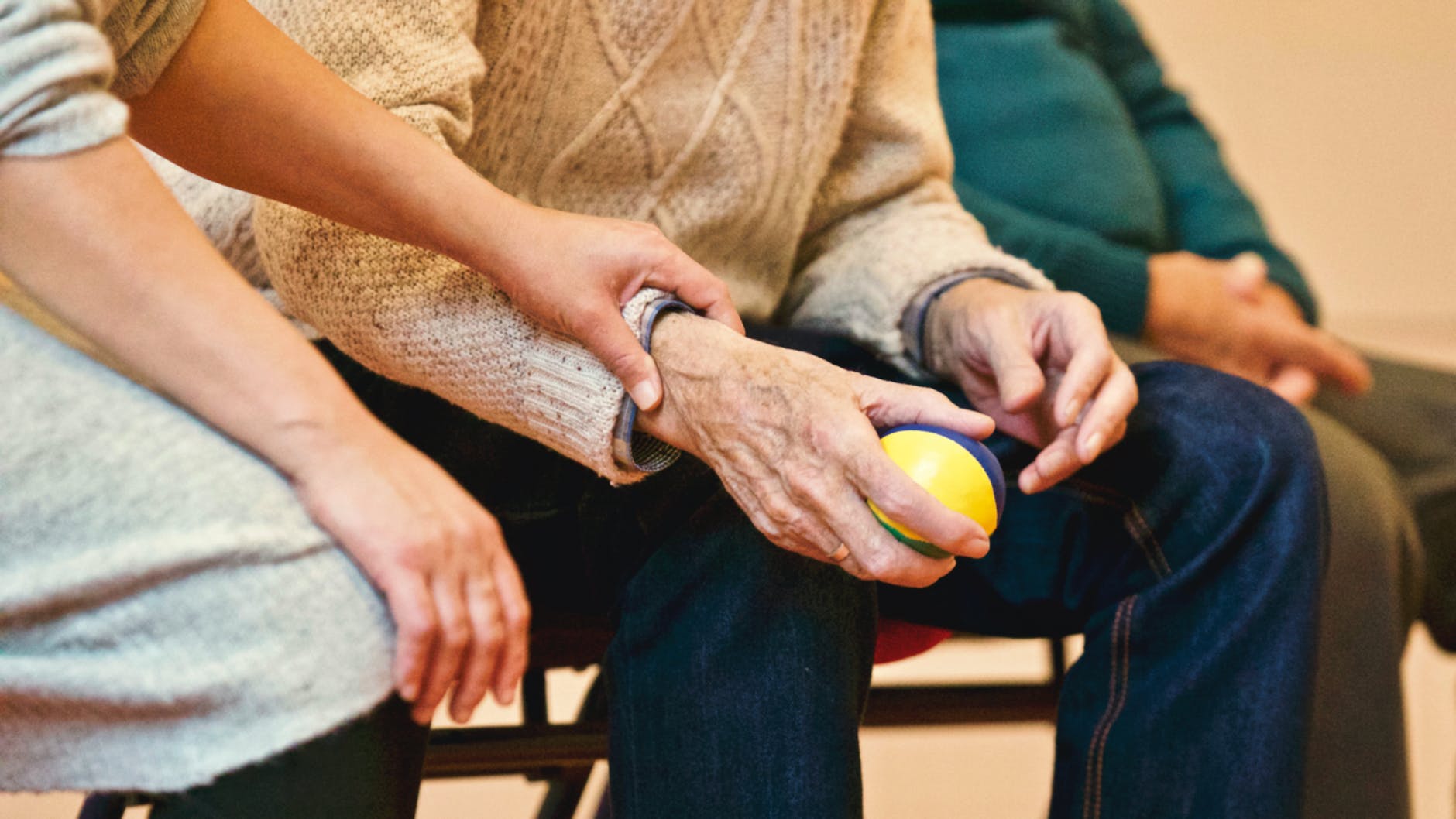
Did you know that physical contact during a conversation with a Spaniard is a typical way of communicating in Spain that is not considered an invasion of personal space? These ways of communicating may surprise you when you first arrive to Spain, but you will quickly adapt to these Spanish customs and traditions and soon you won’t even notice them.
Learning the Spanish language is more than just grammar and vocabulary. It is also about getting to know the Spanish people and their culture and ways of life. Spanish traditions, customs, celebrations, and other cultural activities are unique to Spanish society. Additionally, Spain is known for its hospitality and relaxed way of life.
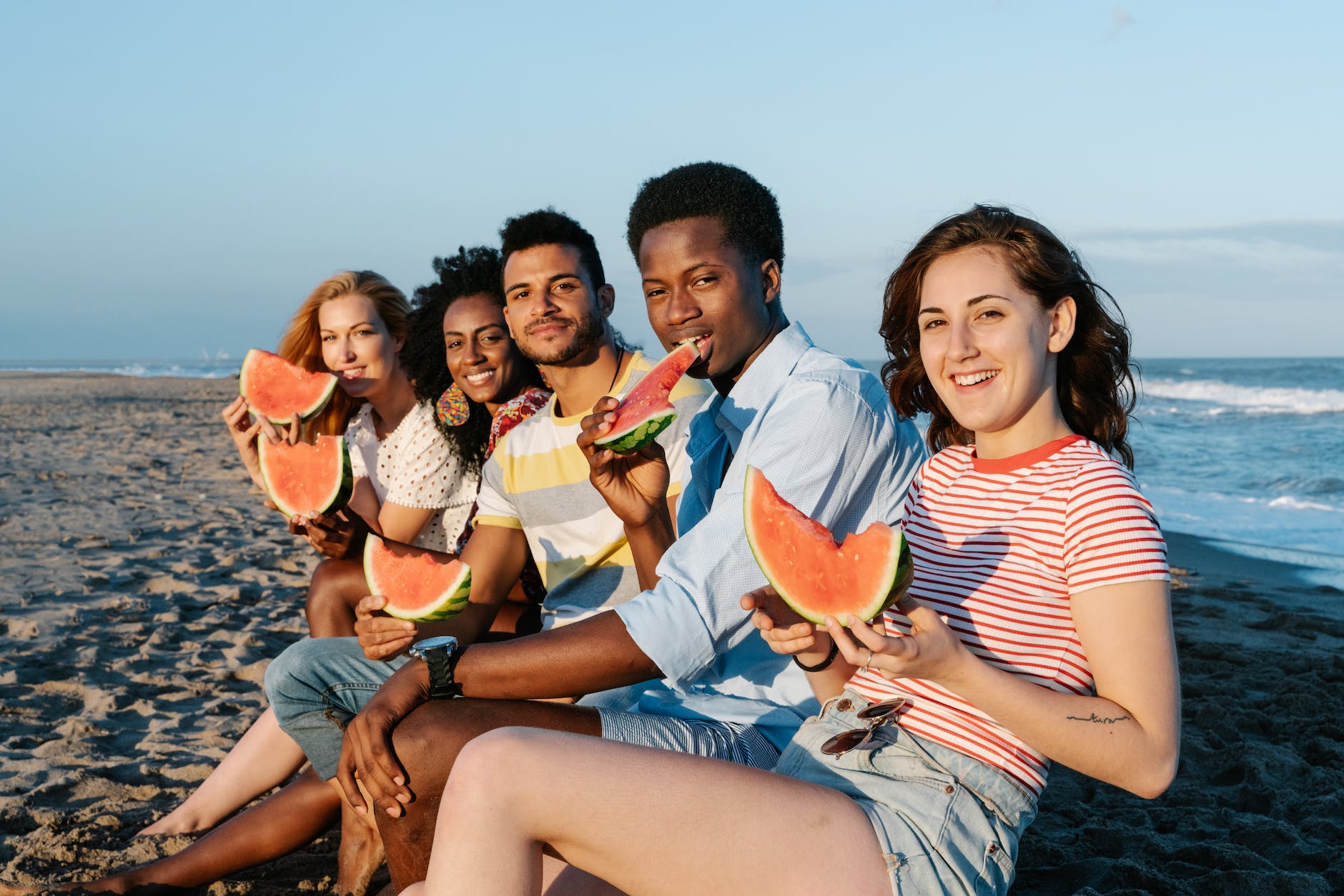
Spanish meal times are completely different from those found in other parts of the world. It’s important to remember this when you plan your activities for the day. In Spanish culture, breakfast is easily the least important meal, as it’s pushed back to 10 a.m. Many Spaniards skip breakfast, but if they do have one it’s usually something light and simple, such as coffee, hot chocolate, or fresh juice with a croissant, pastry, or toast with ham and tomato. After a light breakfast (between 10:30 a.m. and noon) you’ll find the bars full of workers: office workers, construction workers and executives, taking their coffee break or pausa del café and enjoying a drink and a small snack to keep them going until lunchtime.

Lunch is the most important meal of the day, and it generally includes multiple courses of Spanish cuisine. The first course is light, often soup or a salad, while the second course is more substantial, such as fish or meat. For dessert, options usually include fruit and sweet recipes like the so-called flan (crème caramel), arroz con leche (rice pudding), or a piece of cake. The meal is always accompanied with bread, wine, and water.
Lunch and the famous siesta take place between 2 and 4 p.m., most stores and other establishments are closed during this part of the day so the workers can go home to eat. Even though this break exists, nowadays siesta time is rarely used to sleep — instead, it’s used to get from one place to another, as people live farther and farther from their place of work.
Due to this long break at midday, many workers don’t get home after work until 8 p.m. Normally, they’ll have a snack or merienda when they arrive to hold them over until dinnertime. Dinner, which is similar to lunch but lighter, is eaten late in Spain (between 9 and 10 p.m). In the summertime, you’ll often see Spaniards having dinner as late as midnight! Once you get used to the meal schedule and the different Spanish eating customs, you’ll be ready to discover the vast diversity of Spanish food and culture.
Socialising and Personal Connections
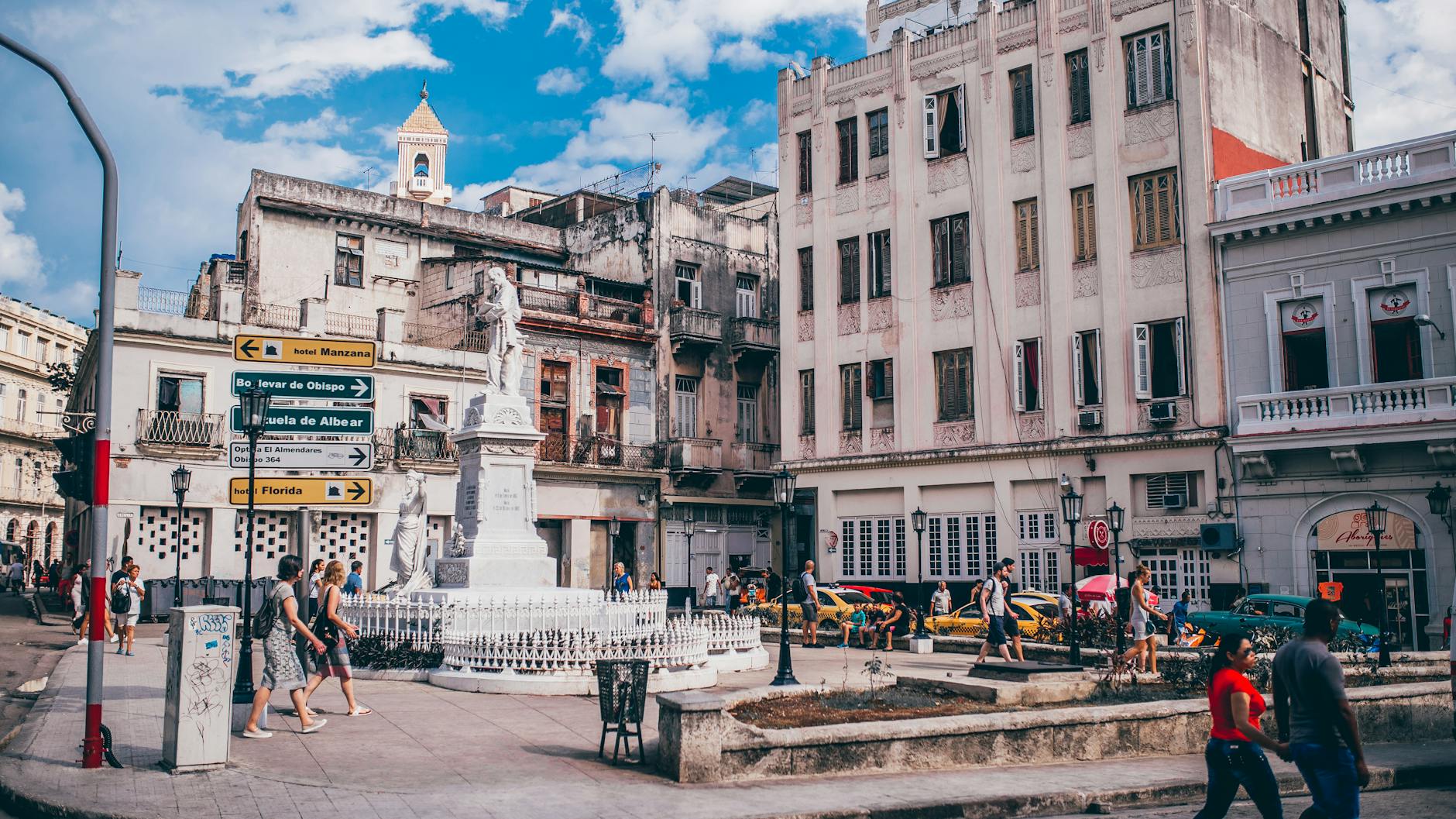
Imagine you’ve just stumbled into a bustling Spanish plaza. Here, everyone’s got the gift of the gab and they’re not shy about using it. Spaniards adore a good natter, whether it’s with lifelong friends or the bloke they met five minutes ago. Don’t be surprised if you get a kiss on both cheeks as a greeting, even from acquaintances. It’s their way of saying, “You’re one of us now!”
Punctuality
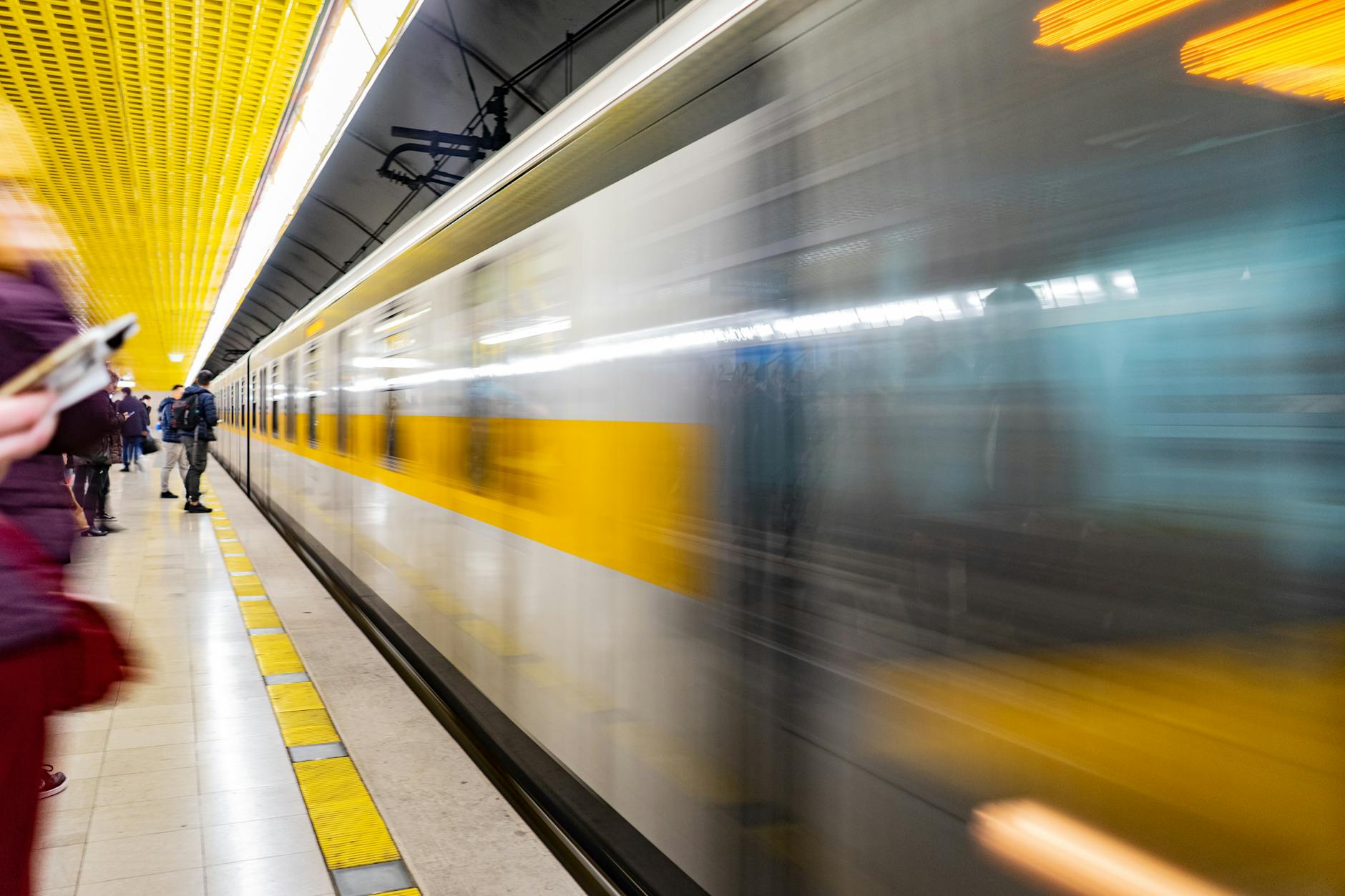
Now, if you’re used to the Brits’ stiff upper lip about punctuality, you might find Spain’s relaxed approach a breath of fresh air. Sure, being on time is appreciated, especially if you’re at a business meeting. But let’s be honest, social gatherings often start fashionably late. So, if you’re running a bit behind, don’t sweat it – chances are everyone else is too.
Festivals and Celebrations
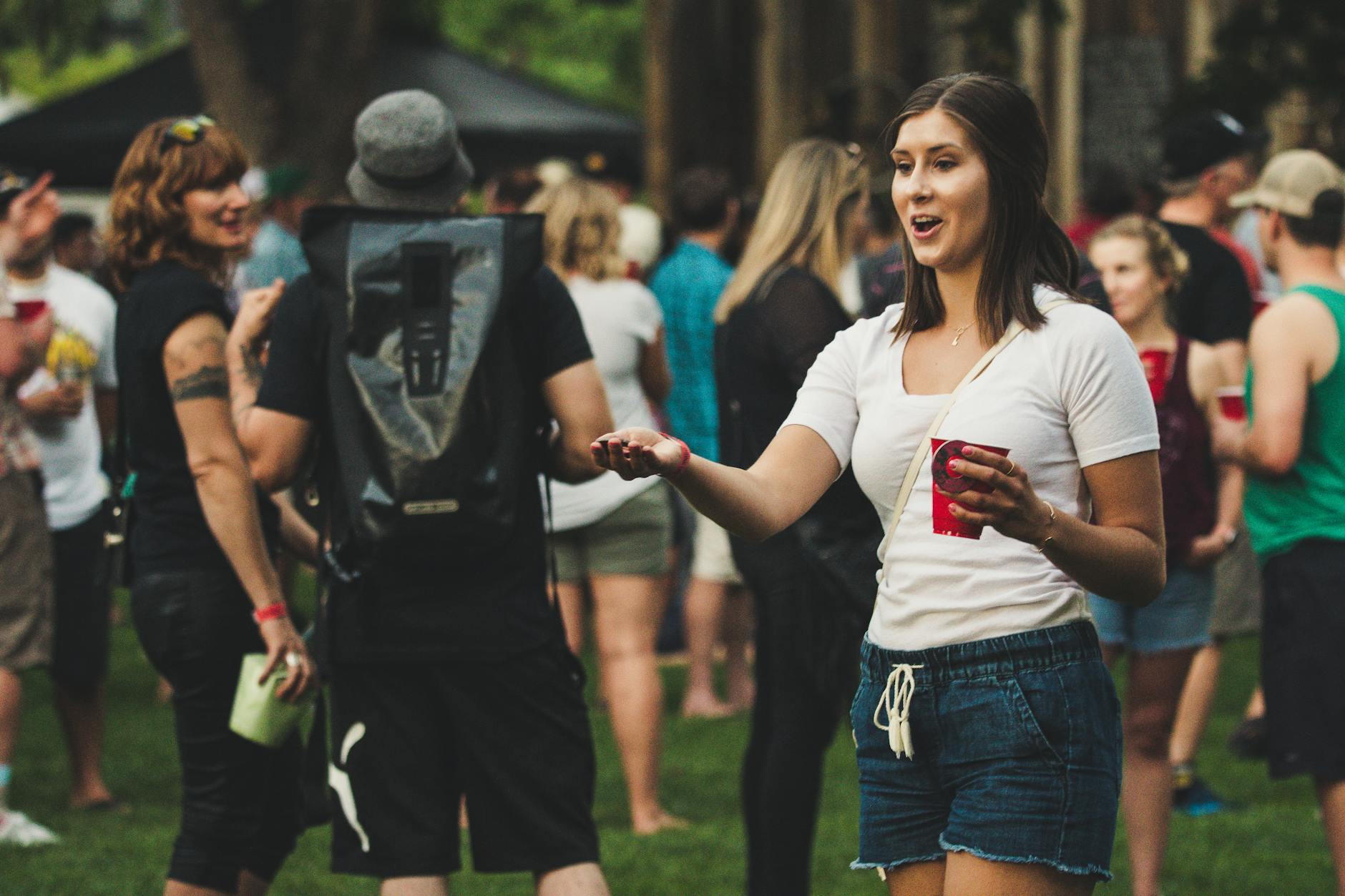
Spain’s calendar is chock-a-block with festivals that put your local village fete to shame. Each region has its own flavour of revelry, complete with parades, music, dancing, and costumes that would make your grandma’s knitting circle green with envy. Picture the Running of the Bulls in Pamplona – not for the faint-hearted! Or La Tomatina in Buñol, where the streets turn into a massive tomato fight. And then there’s Semana Santa, with its solemn yet stunning processions that weave through cities during Holy Week.
Respect for Elders
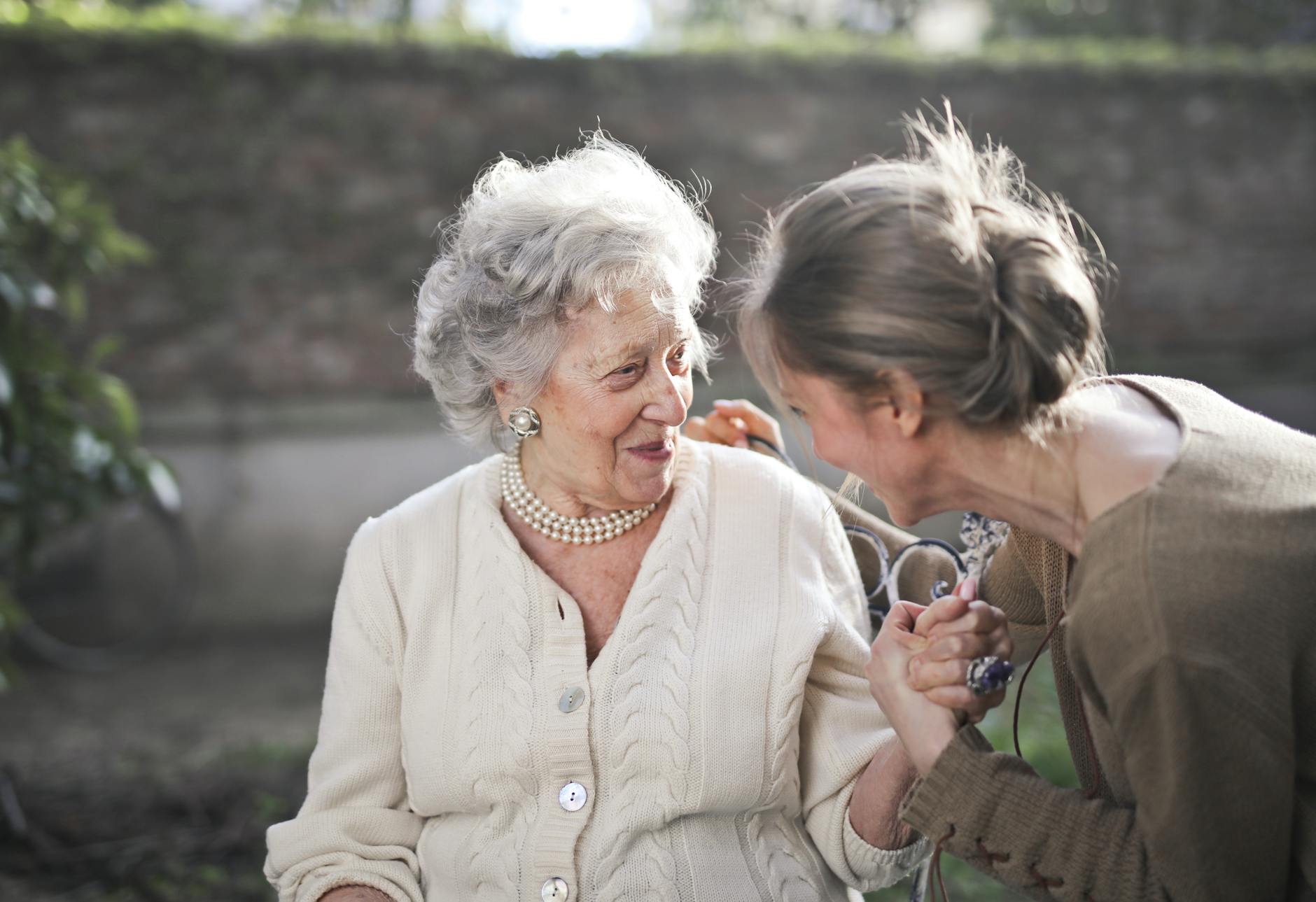
In Spain, respecting your elders isn’t just a nice idea – it’s a way of life. Younger folks often show deference by using formal language and addressing their elders with titles like “Señor” or “Señora”. It’s all about keeping that intergenerational respect alive and well.
Personal Space

When it comes to personal space, Spaniards like to keep things cosy. Expect a bit more physical contact than you might be used to – handshakes, pats on the back, and even standing closer during conversations. It’s all part of their warm, welcoming nature.
Late Night Culture
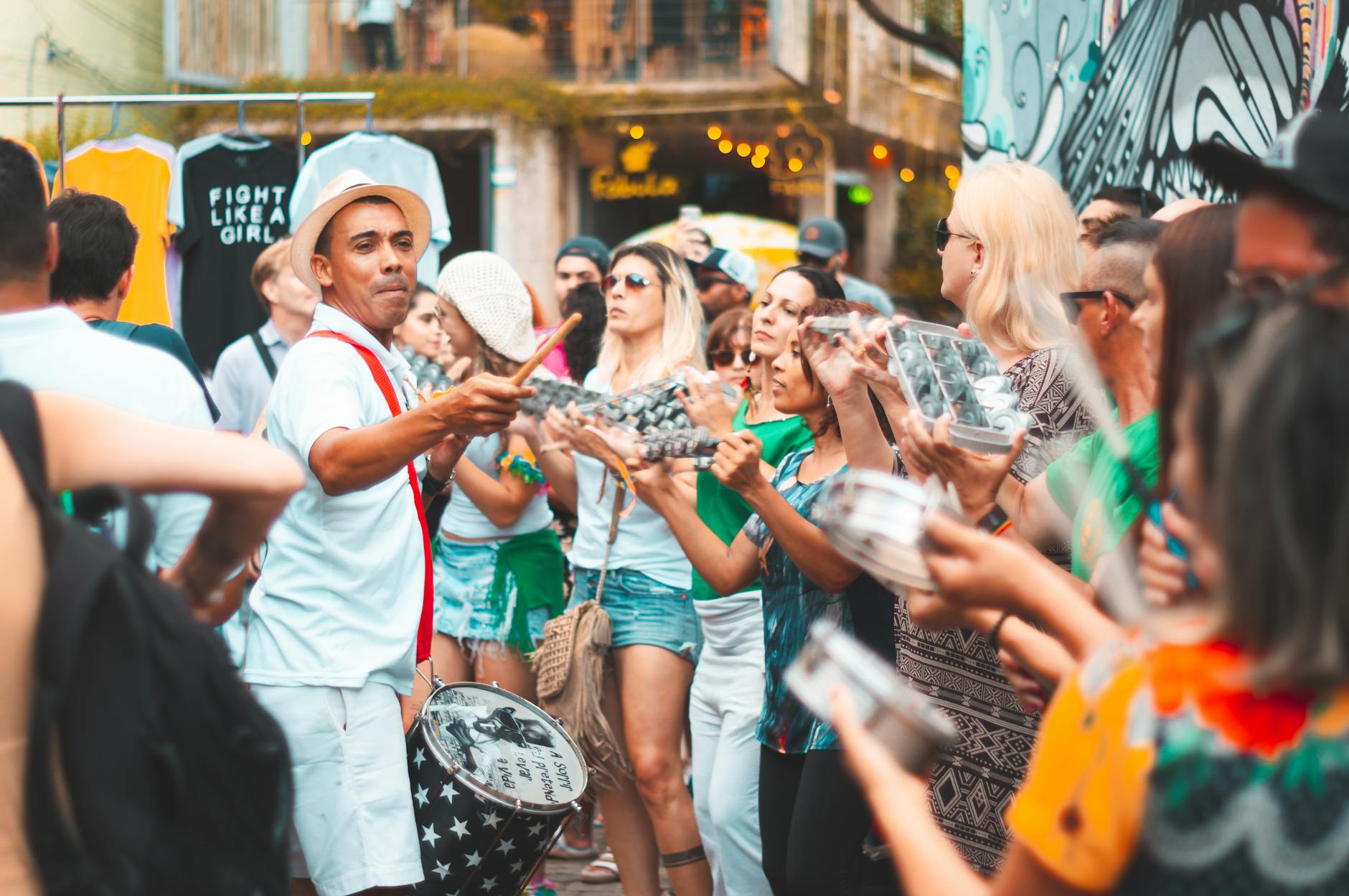
Lastly, let’s talk about Spain’s legendary nightlife. Spaniards are nocturnal creatures who think nothing of heading out for tapas and drinks well past your bedtime. Bars and restaurants stay open until the wee hours, especially in the cities. So, if you’re a night owl, you’ll fit right in. Just be prepared for a few late nights and even later mornings.
It’s important to note that cultural norms can vary within Spain due to regional differences and individual preferences. Embracing and respecting these cultural norms can help visitors and expatriates better understand and integrate into Spanish society.
Discover more from interpreter today
Subscribe to get the latest posts sent to your email.
 interpreter today