


Let’s embark on a brief but enlightening journey through the history and intricacies of two pivotal Spanish prepositions, por and para, which often confound learners with their nuanced uses. Understanding their origins and functions can illuminate the path to mastery in Spanish communication.
The key to understanding whether to use por or para is to think of the meaning you want to convey, rather than the exact translation. You see, prepositions – words like (for), (by,) (to) etc. – don’t necessarily have an exact match in other languages. Which means you’ll need to immerse yourself in Spanish in order to get a feel for which Spanish prepositions to use in which contexts.
A Tale of Two Prepositions
From Latin roots to Spanish twigs

Our story begins in the annals of linguistic evolution, where por emerged from the Latin pro, symbolising (for) or (on behalf of.) This preposition was the lone ranger until para joined the scene, sprouting from por + a, adding a dash of directionality to its predecessor’s essence.
The Essence:
- Por: Embodies the journey “through,” “among,” and other such meandering paths.
- Para: Points us “toward” a specific goal, embodying a sense of purpose and destination.
Visualising Por vs. Para


Imagine, if you will, a simple diagram: a line with por guiding us through a dotted path, weaving among points, while para draws a straight arrow toward a definitive end.
Three Key Battlegrounds: Location, Time, and Purpose
1. Location: The terrain of movement
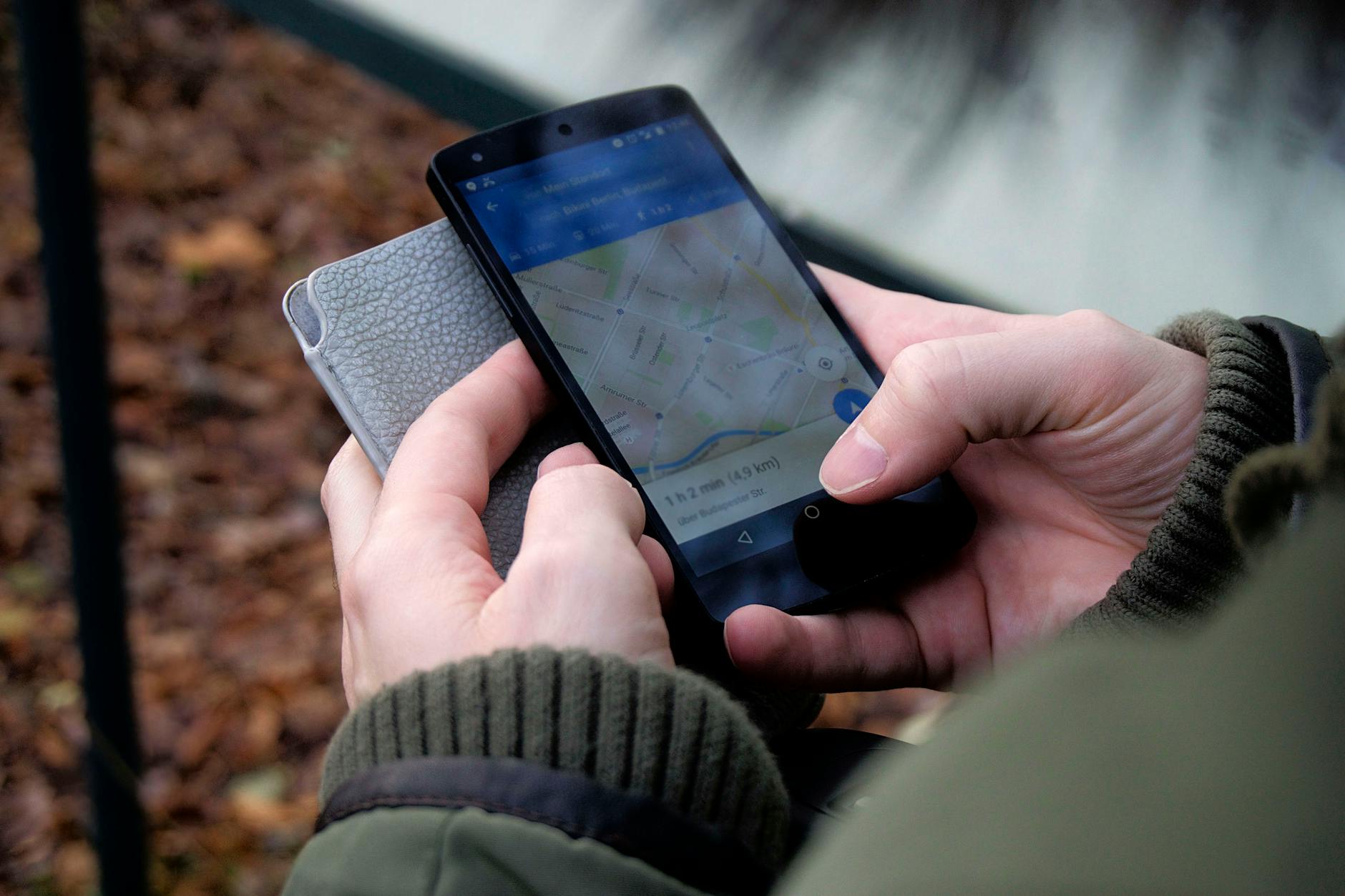
Por: Takes us on a scenic route “through,” “around,” or “across” the landscapes of our sentences.
Para: Directs us towards a destination, marking the “towards” or “to” in our linguistic map.
2. Time: The dimension of duration

Por: Transports us “through” time, marking durations like a timeless wanderer.
Para: Points us “toward” a temporal goal, a deadline that beckons with urgency.
3. Purpose and People: The realm of intentions

Por: Often signifies reasons or exchanges, painting motives with a broad brush.
Para: Denotes benefits or goals, tailoring outcomes with a fine needle.
Diving Deeper: The many faces of Para and Pro
para
- A beacon for purpose, intention or destination.
- A marker for opinions or deadlines.
- A prelude to actions, setting the stage for what’s to be done.
por
- A versatile traveler through causes, exchanges and mediums.
- A guide through the physical and metaphorical paths of life.
- A timekeeper for periods and moments.
Illustrative Phrases: A comparative glimpse
- Por qué vs. Para qué: The quest for reasons versus objectives.
- Por mí vs. Para mí: The difference between being the cause and the beneficiary.
- Este tren va por Castellón vs. Este tren va para Castellón: A journey through a place versus a destination-bound voyage.
In wrapping up this quick history lesson, remember that the dance between por and para is one of fluidity and precision, a reflection of the rich tapestry of Spanish itself. Embracing their nuances not only enhances our grammatical accuracy but also deepens our appreciation for the language’s intricate beauty. So, the next time you find yourself pondering over por and para, let the history, visual cues, and key uses guide you toward linguistic clarity and eloquence.
Discover more from interpreter today
Subscribe to get the latest posts sent to your email.
 interpreter today