

Mastering Spanish Prepositions of Place

The Spanish language, it seems to dance on the air like a familiar melody. But, as you may have discovered, learning Spanish as an adult is a bit like cooking paella – it seems straightforward at first, but then you’re juggling ingredients and timing, trying to make sure everything comes together just right. One of the more temperamental ingredients in this linguistic recipe are those tricky prepositions of place. You know, those little words that tell you where things are. They might be small, but they’re the saffron in your sentence, bringing it all together or leaving you with a bland dish if you get them wrong.
So, let’s stir the pot and dive into the rich and flavourful world of Spanish prepositions of place, with a few handy examples to make sure your sentences are cooked to perfection.
uno

En
Meaning and Usage: The preposition en is like the Swiss army knife of Spanish prepositions – it’s versatile, always ready for action, and can be used in a variety of situations. It’s your go-to word when you want to say that something or someone is in a specific place or space.
por ejemplo:
Estoy en casa. (I am at home.)
El libro está en la mesa. (The book is on the table.)
Vivo en España. (I live in Spain.)
Tip: Think of en as a shapeshifter – sometimes it means (in,) sometimes (on,) but always it’s wherever the action is.
dos

A
Meaning and Usage: The preposition a is all about direction. It’s the one you’ll reach for when you’re on the move, heading towards something, whether that’s a place, a person, or even the weekend.
por ejemplo:
Voy a la escuela. (I’m going to school.)
Llegamos a la fiesta tarde. (We arrived at the party late.)
Tip: A is like the Spanish sat nav. It answers the question, (Where are you going?) (Even if the answer is to the fridge for the third time today.)
tres

De
Meaning and Usage: De is one of those words that pops up everywhere, like an overly enthusiastic puppy. It can indicate origin, possession, or the material something is made of. In other words, it’s an all-rounder with more uses than you can shake a churro at.
por ejemplo
Soy de México. (I am from Mexico.)
La casa de María es grande. (Maria’s house is big.)
El vaso es de cristal. (The glass is made of crystal.)
Tip: De is the Spanish equivalent of (of) or (from,) and it’s your best friend when you need to connect the dots between things or people.
cuatro

Entre
Meaning and Usage: Entre is the word you need when you’re caught in the middle. Whether you’re between a rock and a hard place or just between the park and the shop, entre has got you covered.
por ejemplo:
La casa está entre el parque y la tienda. (The house is between the park and the store.)
Me senté entre mis amigos. (I sat between my friends.)
Tip: Entre is the Spanish equivalent of (between,) making it perfect for when you need to describe your position in a love triangle or just where the sofa is.
cinco

Sobre
Meaning and Usage: Sobre is a bit of a multitasker – it’s used for when something is on top of something else or when you’re talking about a subject. Essentially, it’s for when you’re on top of things, literally or figuratively.
por ejemplo:
El cuadro está sobre la pared. (The picture is on the wall.)
Hablamos sobre el proyecto. (We talked about the project.)
Tip: Sobre is your word for when you’re discussing what’s on the agenda or what’s on the coffee table.
seis

Bajo
Meaning and Usage: Bajo is the word for when something is down low, under something else. Whether it’s a cat under the table or your hopes underwhelmed by another Monday morning, bajo is there.
por ejemplo:
El gato está bajo la mesa. (The cat is under the table.)
Tip: Bajo is Spanish for (under,) and you’ll use it whenever something is playing hide and seek below the surface.
siete
Al lado de
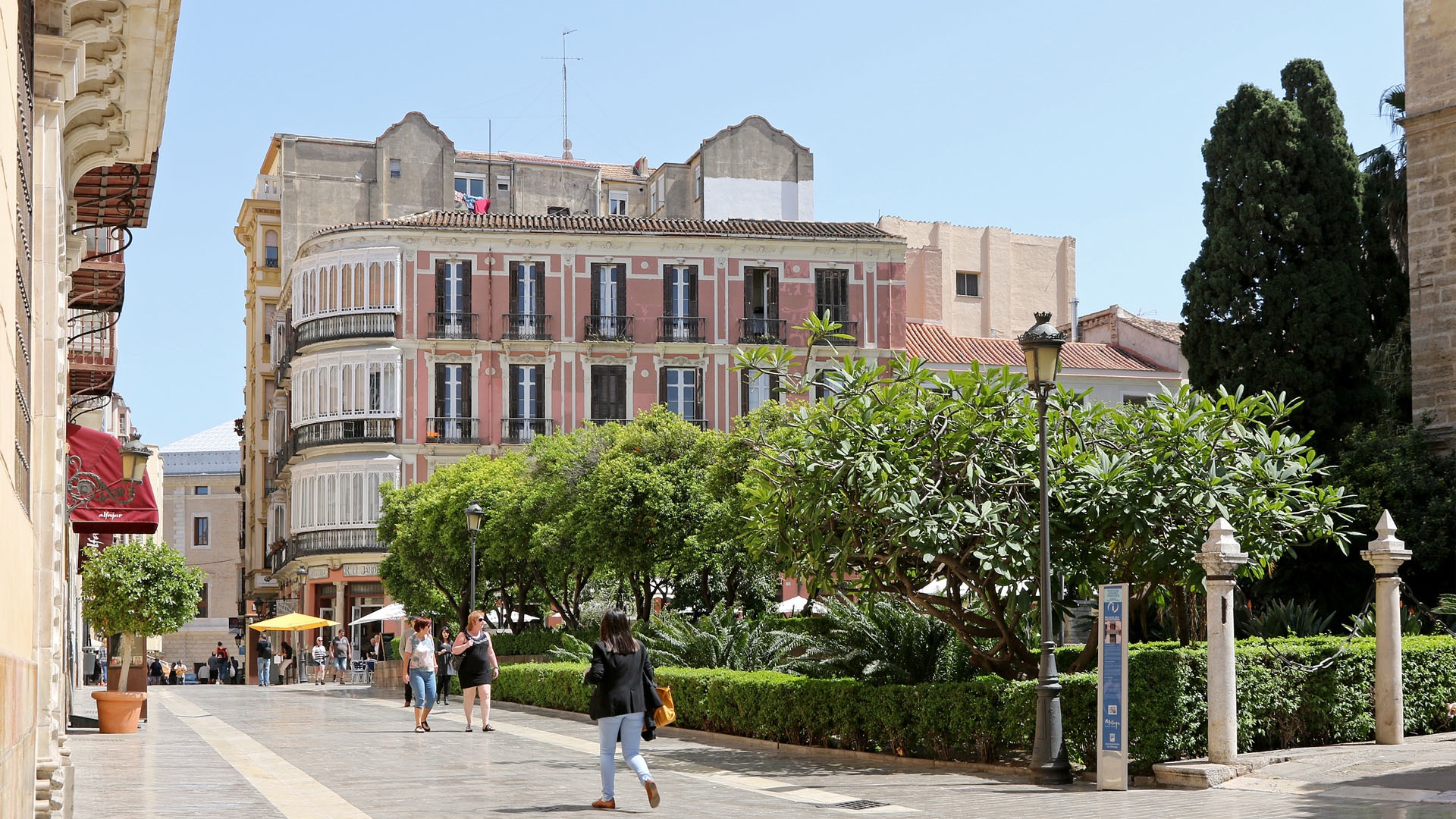
Meaning and Usage: Al lado de is the preposition you need when two things are so close they could be sharing a gossip over the garden fence. It means (next to,) and it’s perfect for describing proximity.
por ejemplo:
La tienda está al lado de la farmacia. (The store is next to the pharmacy.)
Tip: Al lado de is your phrase for those moments when two things are as inseparable as you and your morning coffee.
ocho

Delante de / Detrás de
Meaning and Usage: Delante de and detrás de are your directional guides. The first is for when something is in front of you, and the second for when it’s behind.
por ejemplo:
El coche está delante de la casa. (The car is in front of the house.)
El parque está detrás de la escuela. (The park is behind the school.)
Tip: Use these to paint a picture of where things are, whether they’re leading the way or bringing up the rear.
nueve

Cerca de / Lejos de
Meaning and Usage: Cerca de and lejos de are your distance markers. Whether something is a stone’s throw away or miles off, these phrases have you covered.
por ejemplo:
Vivo cerca de la playa. (I live near the beach.)
Estamos lejos de la ciudad. (We are far from the city.)
Tip: These are your go-tos for when you want to sound like you know the lay of the land, even if you’re still getting your bearings.
diez
Enfrente de
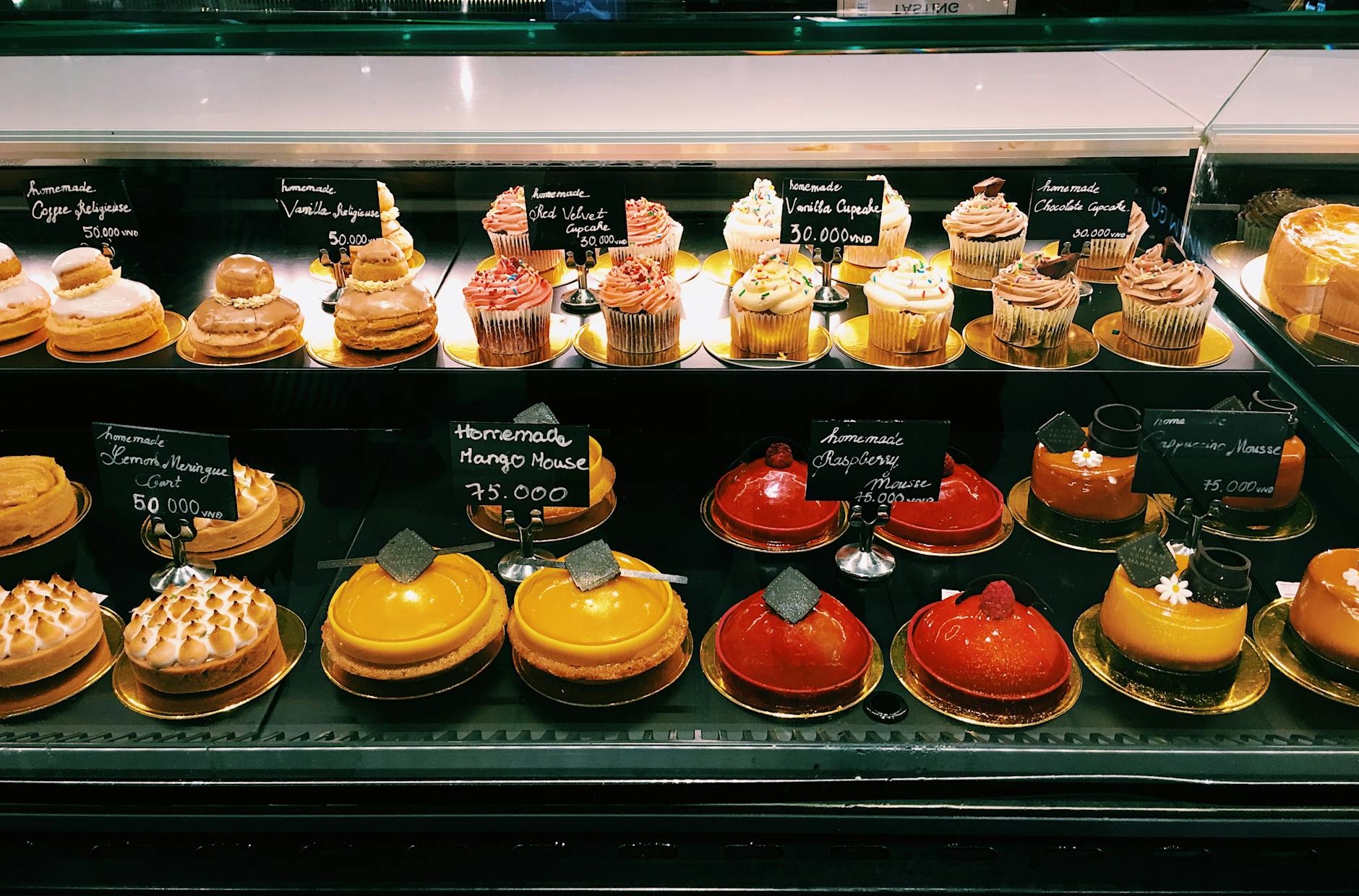
Meaning and Usage: Enfrente de is the word for when something is directly opposite. It’s the one to use when you’re looking across at something, whether it’s the street, the square, or the cake display at the bakery.
por ejemplo:
La iglesia está enfrente de la plaza. (The church is across from the square.)
Tip: Think of enfrente de as (opposite) or (across from,) perfect for giving directions or just making sure you’re facing the right way.
Resumen

So there you have it – the prepositions of place that will turn your Spanish from passable to perfectly positioned. They may be small, but they pack a punch, helping you describe your world with flair and confidence. Now it’s time to roll up your sleeves and give them a go. With a little practice, you’ll be tossing out directions, distances, and locations like a true Spanish speaker. Remember, every step forward is progress – so go on, sprinkle some en, a, and de into your day-to-day chats. ¡Buena suerte, and happy prepositioning!
Discover more from interpreter today
Subscribe to get the latest posts sent to your email.
 interpreter today
Leave a comment