

The Past, Present, and Future in Spanish Tenses: A Journey Through Time
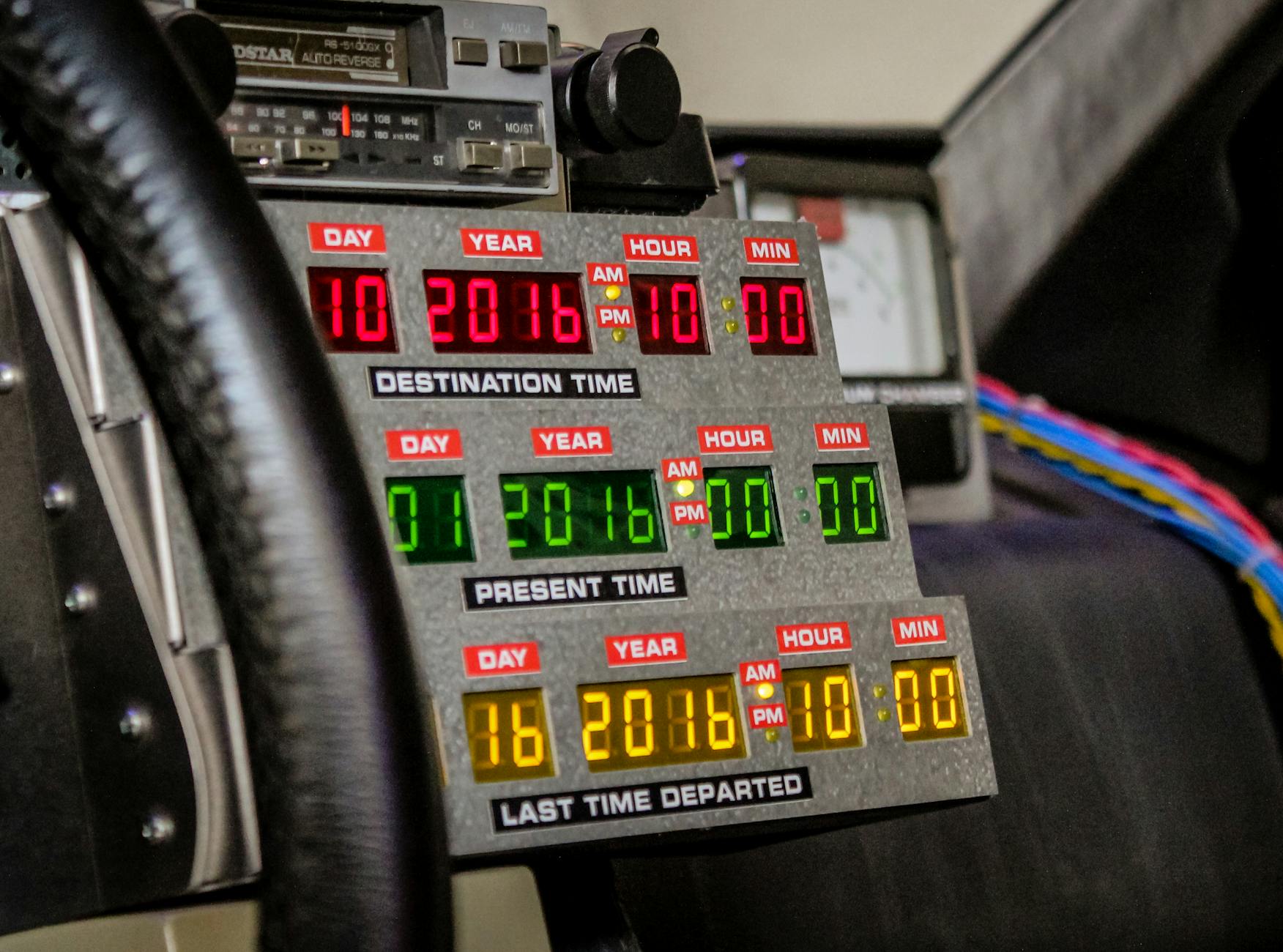
Learning Spanish tenses might feel like hopping in a time machine! You’re not just learning how to speak the language; you’re discovering how to travel between the past, the present, and the future. Let’s explore how Spanish verbs guide you through time with different tenses, from moments long gone to those yet to come.
The Past: Capturing What Was
Spanish offers several ways to talk about the past, and each tense paints a slightly different picture of what happened. Let’s break them down:

- Pretérito Indefinido (Simple Past): Think of this as the camera snap of past actions—quick, done, and finished. For example, Ayer comí pizza (Yesterday I ate pizza). It’s an action that’s over and done with, completed in a specific moment.

- Pretérito Imperfecto (Imperfect Past): This tense is like pressing play on a memory. It’s used for repeated actions or ongoing situations in the past. Cuando era niño, jugaba al fútbol todos los días (When I was a child, I used to play soccer every day). Here, you’re reminiscing about habits or long-lasting conditions.

- Pretérito Perfecto (Present Perfect): The past and present come together in this tense. It’s used for actions that happened recently or are still relevant. Este año he viajado a tres países (This year I have traveled to three countries). The travels happened in the past, but they’re connected to the present because the year isn’t over yet.

- Pretérito Pluscuamperfecto (Past Perfect): Time layering at its best! This tense is used when one past action happened before another. Cuando llegué, ya se habían ido todos (When I arrived, everyone had already left). It’s like a flashback within a flashback!
So, to sum it up: when you talk about the past in Spanish, you’ve got different lenses. Are you focusing on a single moment pretérito indefinido, looking at repeated actions pretérito imperfecto, linking to the present pretérito perfecto, or sequencing past events pluscuamperfecto? It’s all about choosing the right view.
The Present: Living in the Now
Ah, the present—where life is happening! Spanish tenses here are more straightforward but no less important. Here’s how you can express yourself:

- Presente Simple (Simple Present): This is your go-to for habits, facts, and truths. Estudio español todos los días (I study Spanish every day) or El sol sale por el este (The sun rises in the east). Whether it’s something you do regularly or a fact about the world, this tense handles it all.

- Presente Progresivo (Present Progressive): If you’re doing something right now, this is your tense. It’s like saying, “I’m on it!” and is formed with estar + the gerund (the “-ing” form in English). Estoy estudiando español ahora mismo (I’m studying Spanish right now).

- Presente Perfecto (Present Perfect): Yes, this looks familiar—it’s similar to the pretérito perfecto. But here, you’re talking about recent actions that are still relevant. He terminado mi tarea (I have finished my homework). You’ve done it, but the fact that it’s done matters in the present.
When it comes to the present, Spanish keeps things manageable with three main tenses: presente simple, presente progresivo, and presente perfecto. Easy to handle, right?
The Future: Speaking of What’s Yet to Come
Talking about the future in Spanish is like looking ahead with a map in hand. Whether you’re making a prediction or a plan, there’s a tense for that:

- Futuro Simple (Simple Future): Use this for anything that will happen in the future or to make predictions. Mañana estudiaré español (Tomorrow I will study Spanish) or Llegará tarde (He/She will arrive late). It’s a straightforward way to express what’s coming.

- Futuro Cercano (Near Future): This is very common in daily conversations—when you’re about to do something soon. Form it with ir a + infinitivo (the base form of the verb). Voy a estudiar esta tarde (I’m going to study this afternoon). It’s like saying, “I’m about to do this.”

- Futuro Perfecto (Future Perfect): Planning ahead? This tense is for actions that will be completed before another point in the future. Para 2025, habré terminado la carrera (By 2025, I will have finished my degree). You’re marking an action that will be done before something else happens.

- Condicional (Conditional): While not strictly a future tense, it’s often used to talk about what could happen, given certain conditions. Me gustaría viajar a España el próximo año (I would like to travel to Spain next year). It’s a future with a bit of a “maybe” thrown in.
In short, when you talk about the future, you’ve got options: futuro simple for straightforward predictions, futuro cercano for plans happening soon, and futuro perfecto for actions that will be completed before a future point. And don’t forget the condicional for those “what ifs.”
Wrapping It All Up: Your Time-Travel Toolbox
Now you’re armed with a deeper understanding of how Spanish verbs work across time. Whether you’re reminiscing about the past, enjoying the present, or making plans for the future, Spanish gives you the tools to express yourself clearly and accurately.
- Past tenses let you relive memories with precision and emotion.
- Present tenses keep you rooted in the moment or reflect on recent actions.
- Future tenses help you look ahead, whether you’re making predictions or setting goals.
Time travel might not be possible in real life, but with Spanish, you can certainly journey through it with just a few verb conjugations!
Discover more from interpreter today
Subscribe to get the latest posts sent to your email.
 interpreter today
Leave a comment