

“Through language, we unlock the treasures of culture, and through culture, we breathe life into language.”
Spanish Language as Culture’s Storyteller

Let’s face it: few languages can say they capture the pulse of a nation quite like Spanish does for Spain. More than a communication tool, it’s a repository of passion, history, and a little bit of magic. Think of it as Spain’s own cultural vault, a way to carry the rhythms of life, the beauty of Goya’s brushstrokes, and the dramatic narratives of its poets all in one.
So, what happens when you learn Spanish? Quite simply, it’s like getting a passport to Spanish culture itself. Master a few words, and you’re not just unlocking doors to a language; you’re stepping into a cultural epic that sweeps from Madrid’s buzzing streets to Andalusia’s romantic vistas.
The Language of Connection
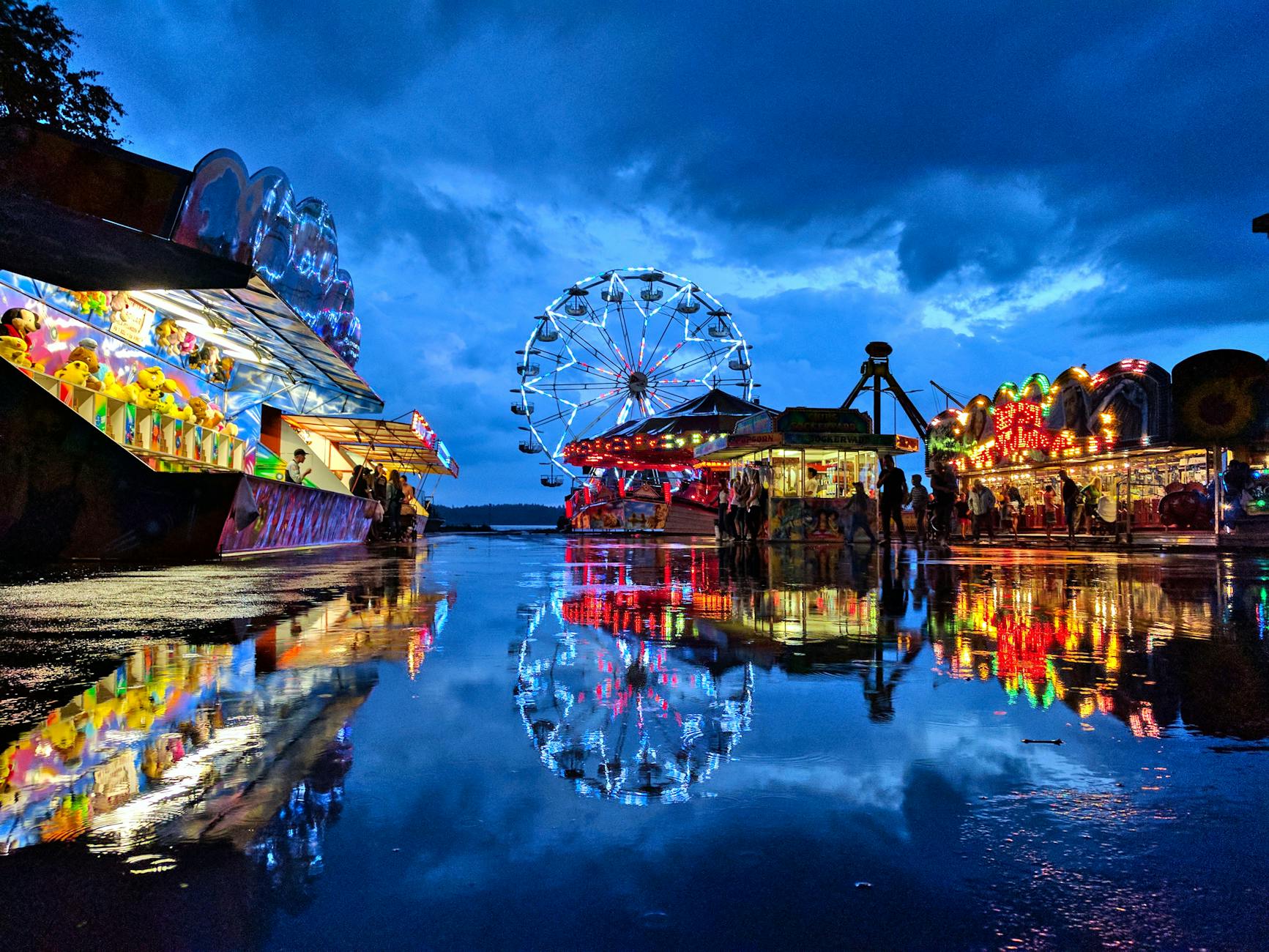
Language and culture don’t just mingle in Spain; they’re inseparable. Spanish has evolved from centuries of invasions, artistic revolutions, and daring explorers. It carries with it echoes of past empires and local traditions, and it creates a bridge that links anyone who speaks it to the world of tapas, siestas, fiestas, and so much more. Every phrase in Spanish weaves a thread in Spain’s colourful tapestry, whether through expressions of regional pride or shared customs like the late-night, laughter-filled meals that are a national pastime.
So whether you’re mesmerised by the sultry sounds of flamenco in Andalusia or exploring Catalonia’s innovative arts scene, Spanish is your guide.
A Brief Stroll Through Spanish History
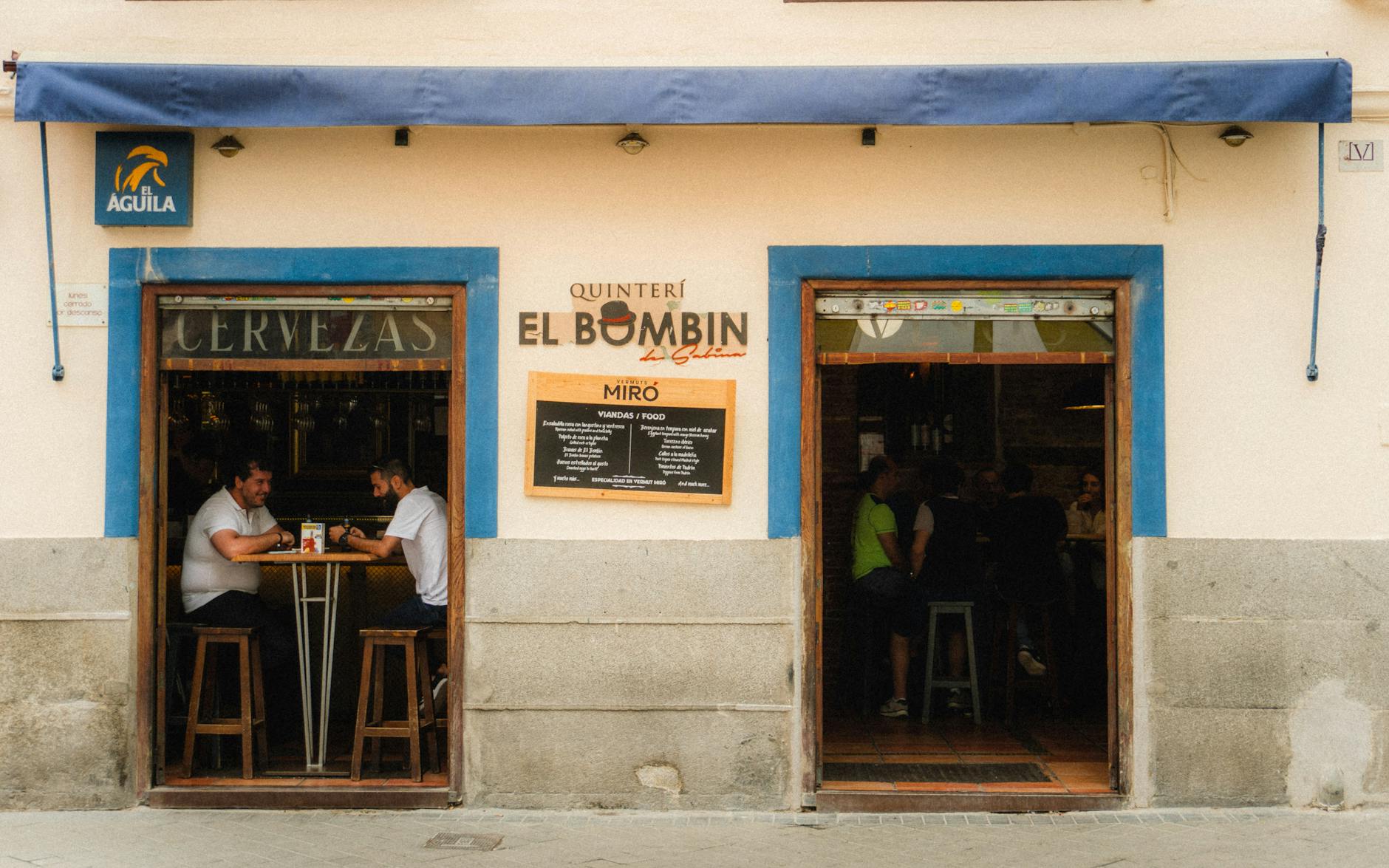
The history of the Spanish language is the stuff of epic films, starting with Roman legions in the 2nd century BC, who introduced Latin to the Iberian Peninsula. Over centuries, Latin melded with local dialects to create romance languages, leading to today’s familiar Castilian Spanish. Yet one language, Basque, predates even the Romans, holding fast to its roots in northern Spain and sharing no DNA with any other language in Europe—a living linguistic enigma.
And of course, there was the game-changing union of Isabella I and Ferdinand II in 1469, uniting kingdoms and launching Castilian Spanish to prominence. Their reign not only unified Spain but brought the Spanish language to the forefront, eventually influencing speech from Buenos Aires to Barcelona.
Spanish Culture: A Living Canvas
Spain’s contributions to world culture span architecture, art, and, yes, some rather epic parties. With the third-highest number of UNESCO World Heritage Sites, Spain’s treasures, like the Alhambra in Granada or the historic old city of Salamanca, are hubs of cultural preservation and celebration.

And then there’s the food. Spain is practically the culinary equivalent of a treasure chest, with regional specialties that invite you to take a tour of the country one bite at a time. Whether it’s the revered paella of Valencia, the bustling tapas bars of Seville, or a glass of Rioja in La Rioja itself, Spanish food is a cultural event all on its own. Each bite tells a story—often a very tasty one.
Siestas, Late Dinners, and Tapas Galore

If you’re in Spain, don’t be surprised to find the locals casually planning dinner for half-past ten, while siestas—those cherished afternoon naps—are an honoured institution. Although urban life has made the midday break a bit of a luxury, it still represents Spain’s dedication to pacing life with both vigour and a bit of relaxation. For the night owls, life in Spain can go well into the morning hours, with the city only quieting down as the sun peeks over the horizon.
Art, Literature, and Film: The Spanish Legacy
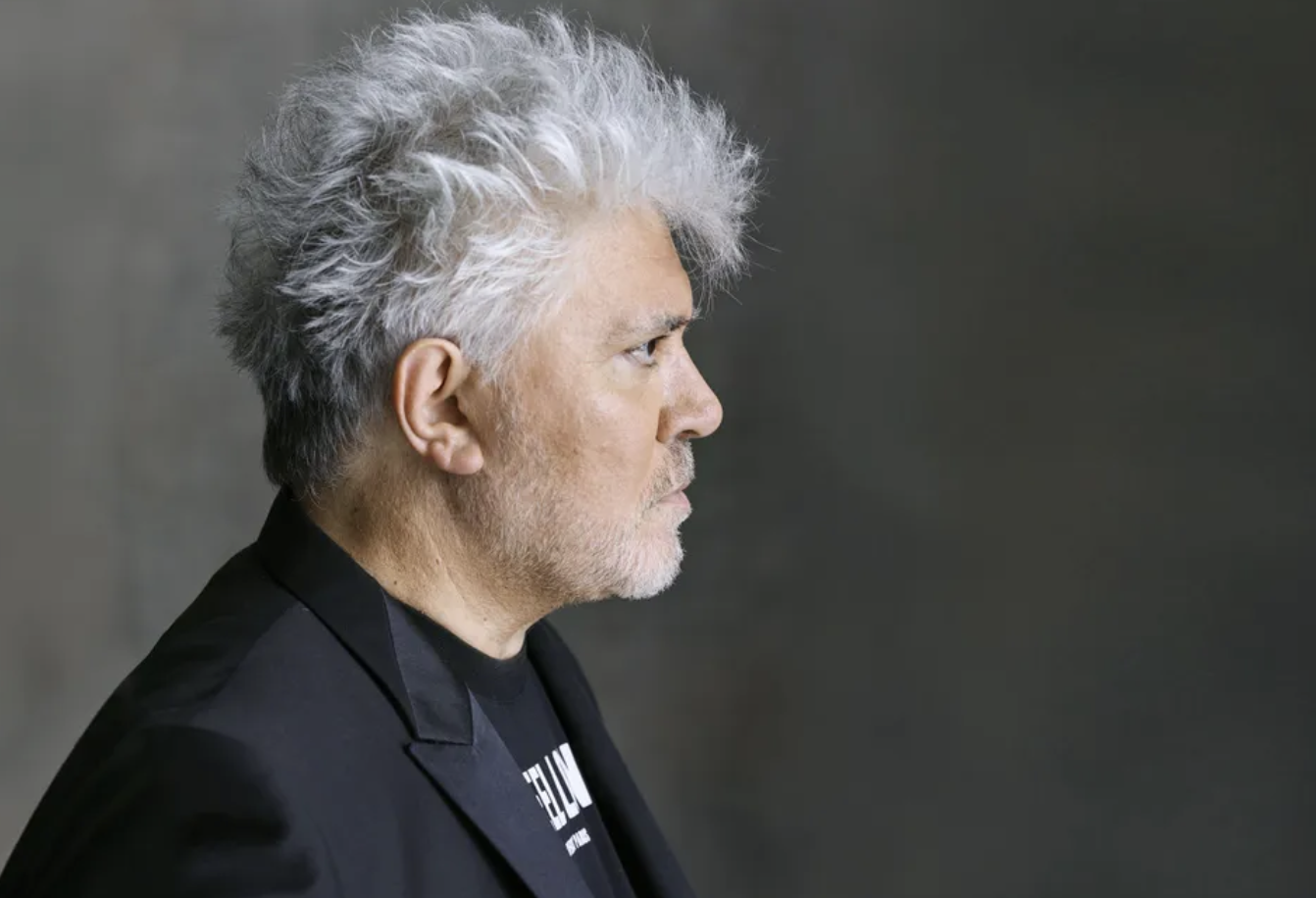
Spain has always been a cultural heavyweight in art, literature, and cinema. Pablo Picasso reshaped modern art with Cubism, painting masterpieces like Guernica—a haunting depiction of war. Meanwhile, Miguel de Cervantes gifted us Don Quixote, a literary cornerstone that wryly comments on idealism versus reality. Then there’s Pedro Almódovar, the bold, unapologetic filmmaker who brought Spanish narratives and characters to international acclaim, crafting films full of humour, drama, and cultural vibrancy.
Each artist adds to the cultural heartbeat of Spain, creating a legacy that showcases the country’s adventurous and resilient spirit.
Learning Spanish: A Journey into Spain’s Soul
Learning Spanish is like unlocking a treasure chest of traditions, customs, and vibrant communities. From the emotive power of flamenco lyrics to the precision in Cervantes’ prose, language learners gain unique insight into Spain’s collective identity. Not to mention, you’ll avoid a faux pas or two, as Spanish culture’s conversational norms don’t align perfectly with British politeness. In Spain, gestures and directness often replace the endless stream of “pleases” and “thank yous,” yet the warmth and sincerity in Spanish conversations is undeniable.

With each phrase you learn, you’re not only connecting with a language but also weaving yourself into Spain’s timeless story.
Mastering Spanish isn’t just a skill—it’s a cultural experience, an insider’s guide to a country bursting with personality, beauty, and boundless energy. So take that Spanish course, hop a plane, and don’t forget to bring your curiosity (and maybe a fan for those hot Andalusian afternoons). Here’s to immersing yourself in the richness of Spain, where language and culture are two sides of the same joyful coin.
Discover more from interpreter today
Subscribe to get the latest posts sent to your email.


Leave a Reply