
por tiempo
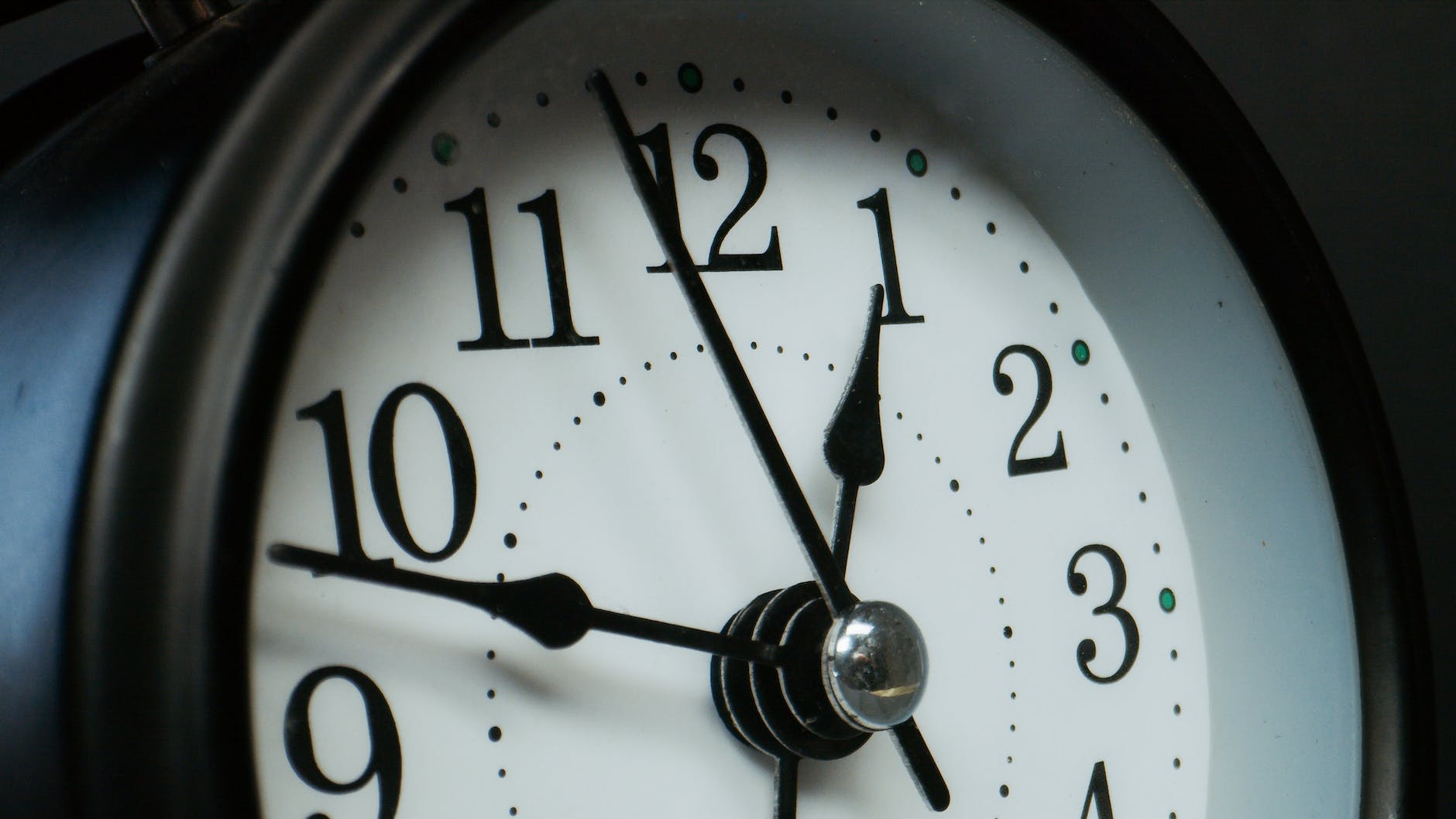
These words let you connect ideas regarding the moment in time when they occurred.
primero, segundo – first, secondly
Used often in recipes, processes or algorithms, these words are a good way to keep the chronological order in mind.
Primero, unta la mayonesa en el pan. Segundo, agrega el jamón.
First, spread the mayonnaise onto the bread. Secondly, add ham.
en primer lugar, en segundo lugar – In the first place, secondly
Similar to the previous one, but more common in formal speeches or everyday conversations.
En primer lugar, eso no es cierto. En segundo lugar, yo ni siquiera estaba aquí.
In the first place, that’s not true. Secondly, I wasn’t even here.
después (de) – after, afterward
Carlos hizo la tarea después del partido de fútbol.
Carlos did his homework after the football game.
ya – already
Ya is useful to express that something has already happened.
Terminé el trabajo y ya lo mandé por correo electrónico.
I finished my work and I already sent it by email.
todavía – still
To express that something is still happening at the moment, you use todavía.
Cuando se despertó, el dinosaurio todavía estaba ahí.
When he woke up, the dinosaur was still there.
todavía no – not yet
However, to say that something has not happened yet, you have to use todavía no.
¿Ya empezó el partido? Todavía no.
Has the game started already? Not yet.
Other useful transition words for time:
Mientras
While
Por fin
at last
Al final
At the end
Finalmente
Lastly
Al mismo tiempo
At the same time
Para continuar
Next, further
Por último
Lastly
En conclusión
In conclusion
If your goal is to be fluent in Spanish, transition words are a crucial area of study. For that reason, it might be a good idea to keep the following list at hand, as you will always need a good transition word to make your speech and writing sound more natural.
 interpreter today
You must be logged in to post a comment.